
Why do interior designers do mood boards? Do we really need to do them? How important are they for clients in helping them to imagine the final result? Here are a few examples of sitting rooms where, in each case, the scheme clearly translated in to the dream room. Can you 'see' the room in each one? I know I can.
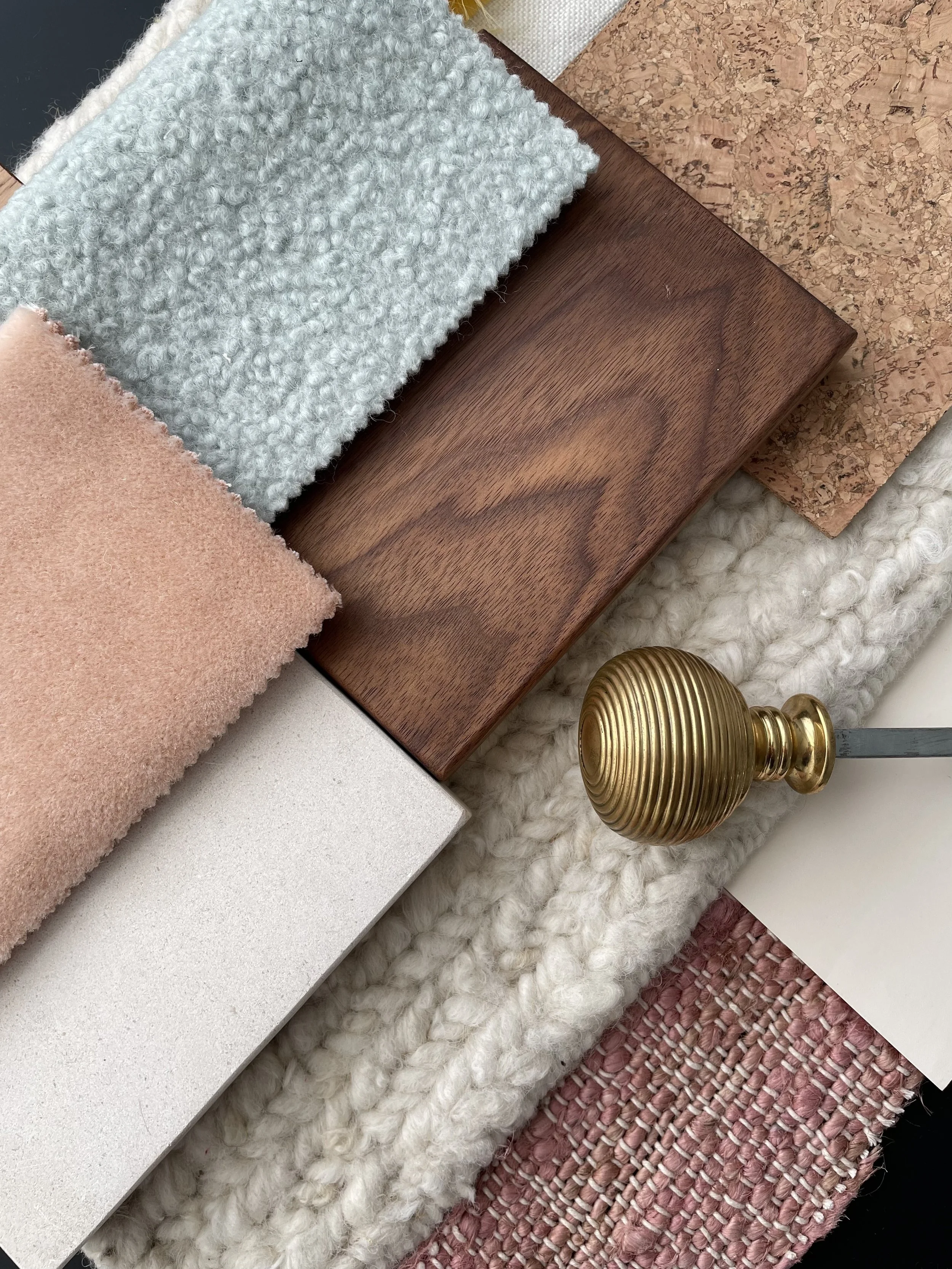
THE SCHEME: A Notting Hill sitting room scheme with a brief for texture but soft colours - pinks, blues and creams - for a feminine, calm and relaxing space fit for a creative soul. Intrigued to see how it turned out...?
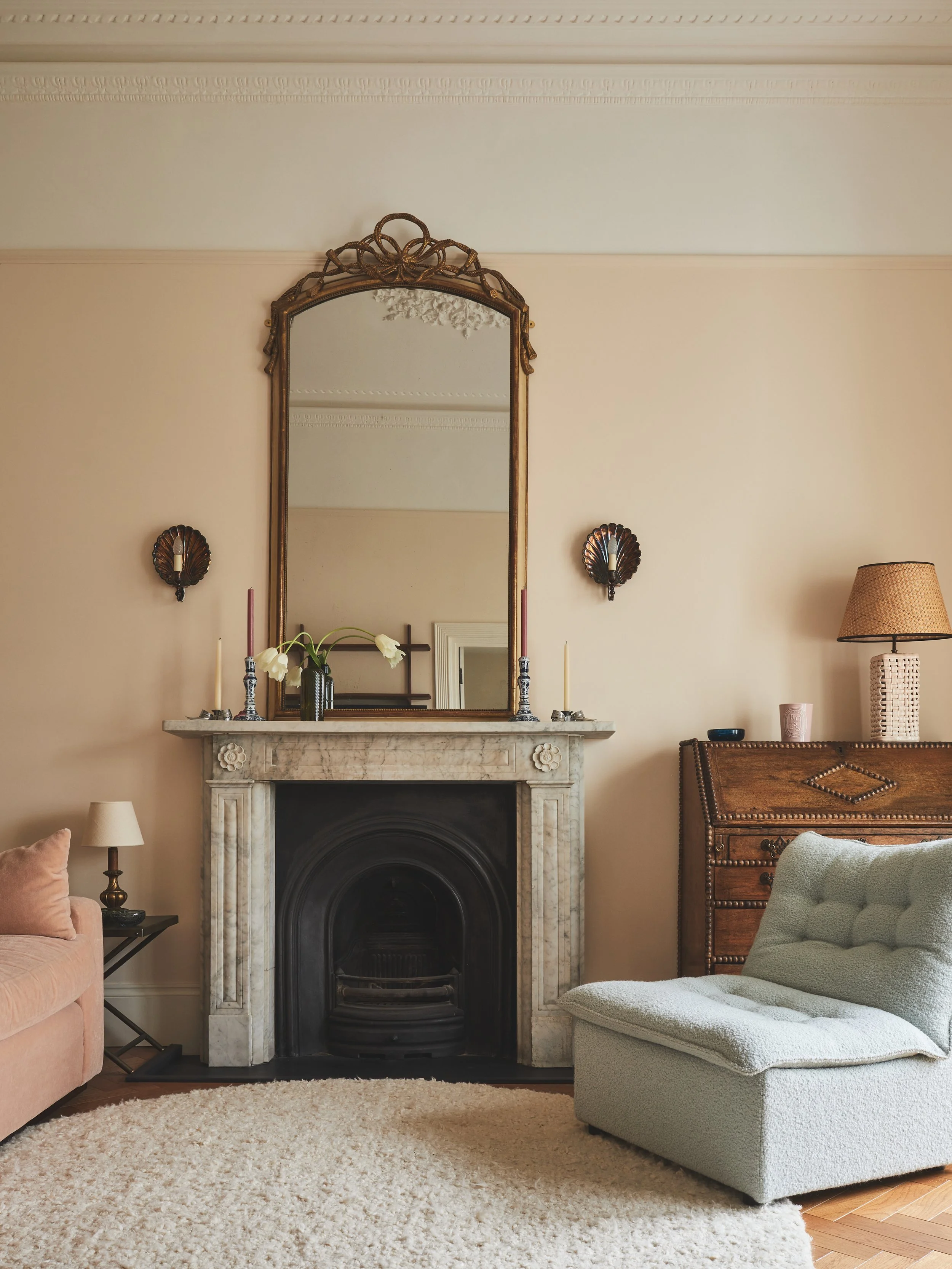
THE DREAM ROOM : A 'Peach melba' mohair sofa and 'Soapstone' boucle chair sit on a circular 'Chokla' cream wool rug, all three plain, but adding plenty of texture in the room. The feel is feminine, interesting and restful.
You can see more images of this confection of perfection here.
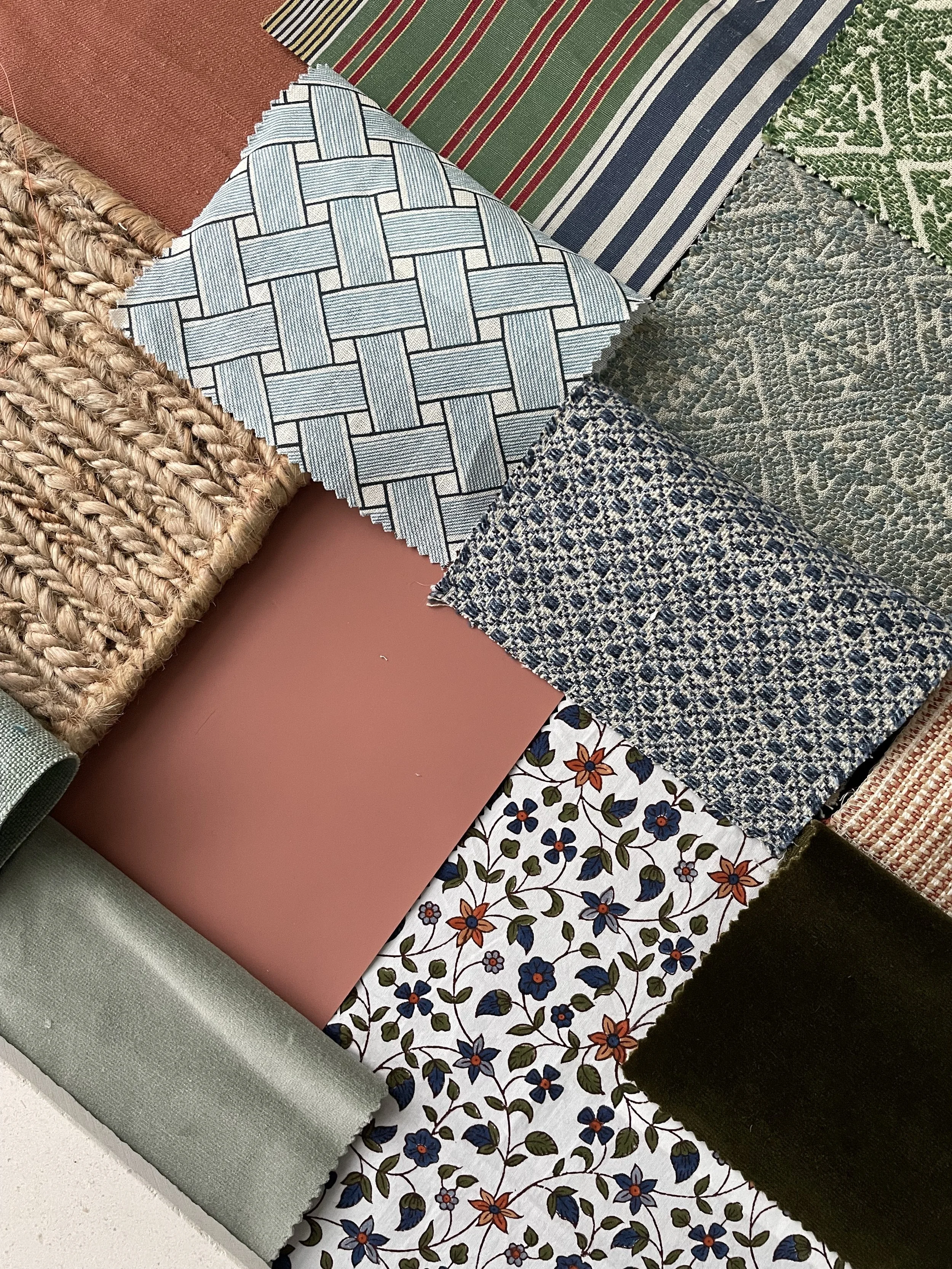
THE SCHEME: A Battersea sitting room scheme where the client asked for plenty of pattern and colour but retaining an elegant, welcoming and comfortable feeling. Quite a few fabrics were considered and then edited down. Below is how this translated to reality.
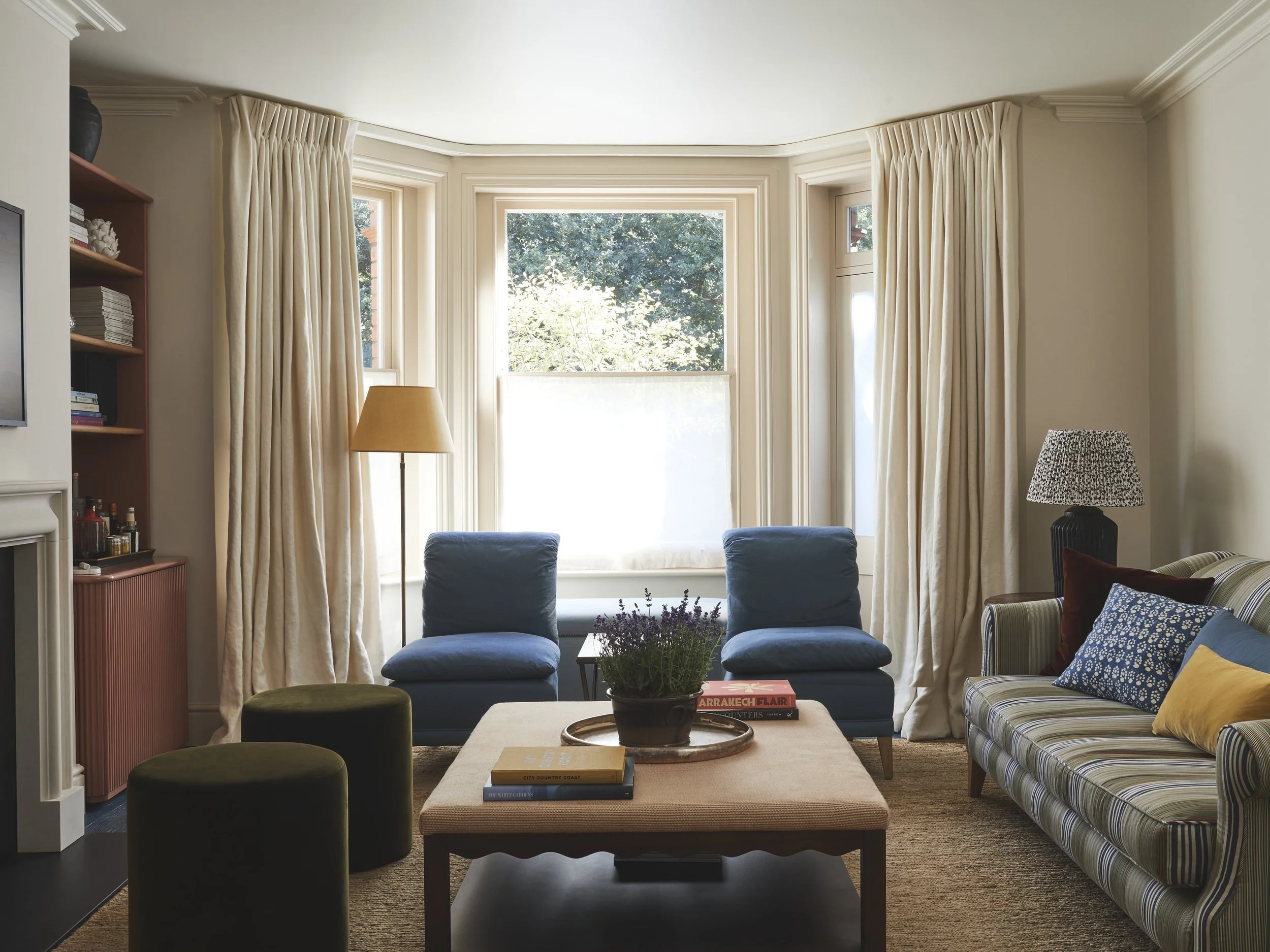
THE DREAM ROOM: A striped sofa commands attention and is filled with assorted patterned and coloured cushions, inviting you to sink in to it. The warm tones of the velvet stools and the upholstered ottoman in hemp add to the layered look. A yellow horsehair lampshade is what makes it all sing.
The rest of the rooms were as colourful and elegant. Find more images here.
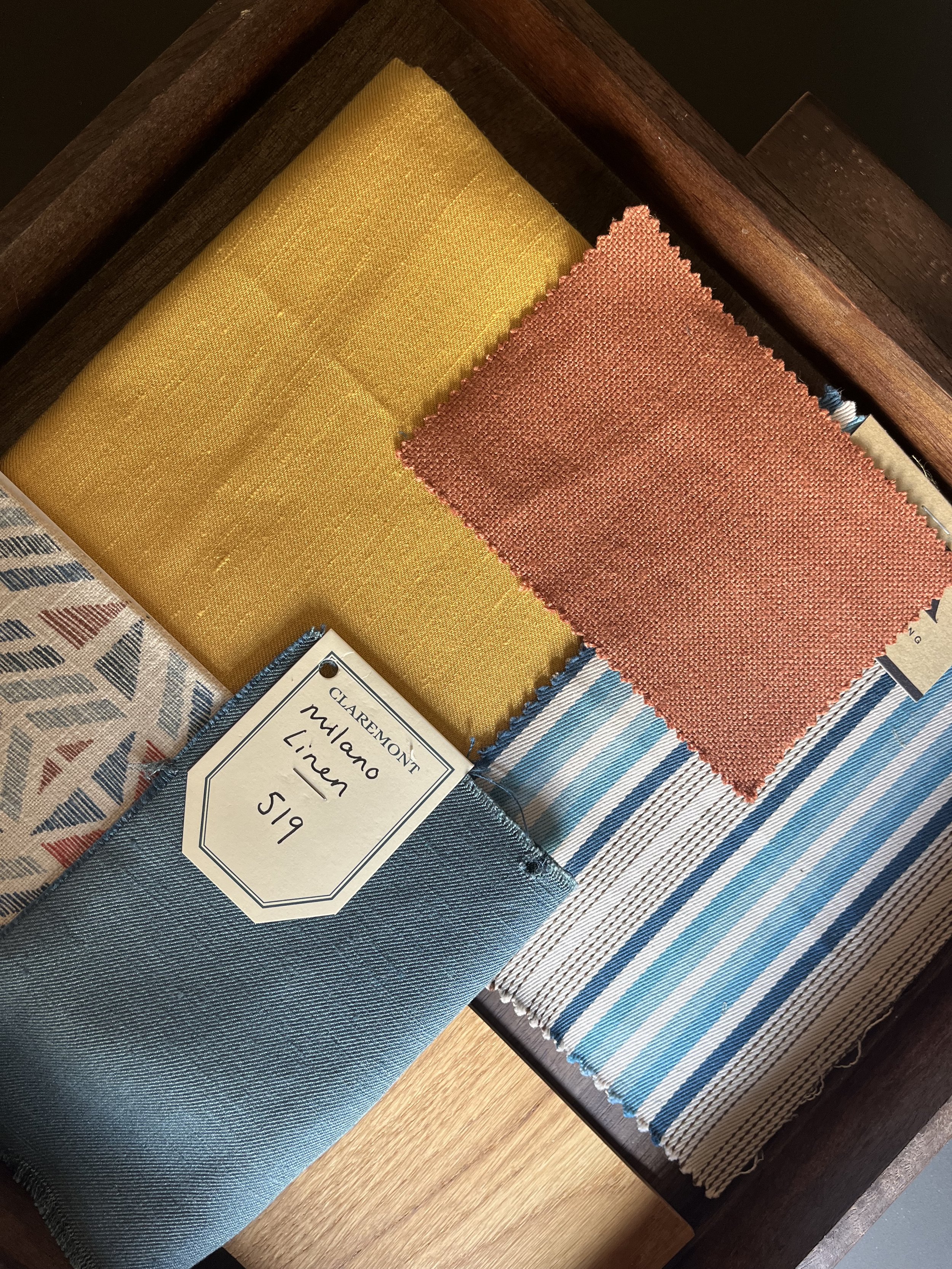
THE SCHEME: In Chelsea, with freshly decorated white walls as a backdrop, the client wanted plenty of interest and warmth in the fabric and furniture choices. Zesty yellow and orange are tempered with cooler blues and warm oak. Did it work well? Below is the final room.
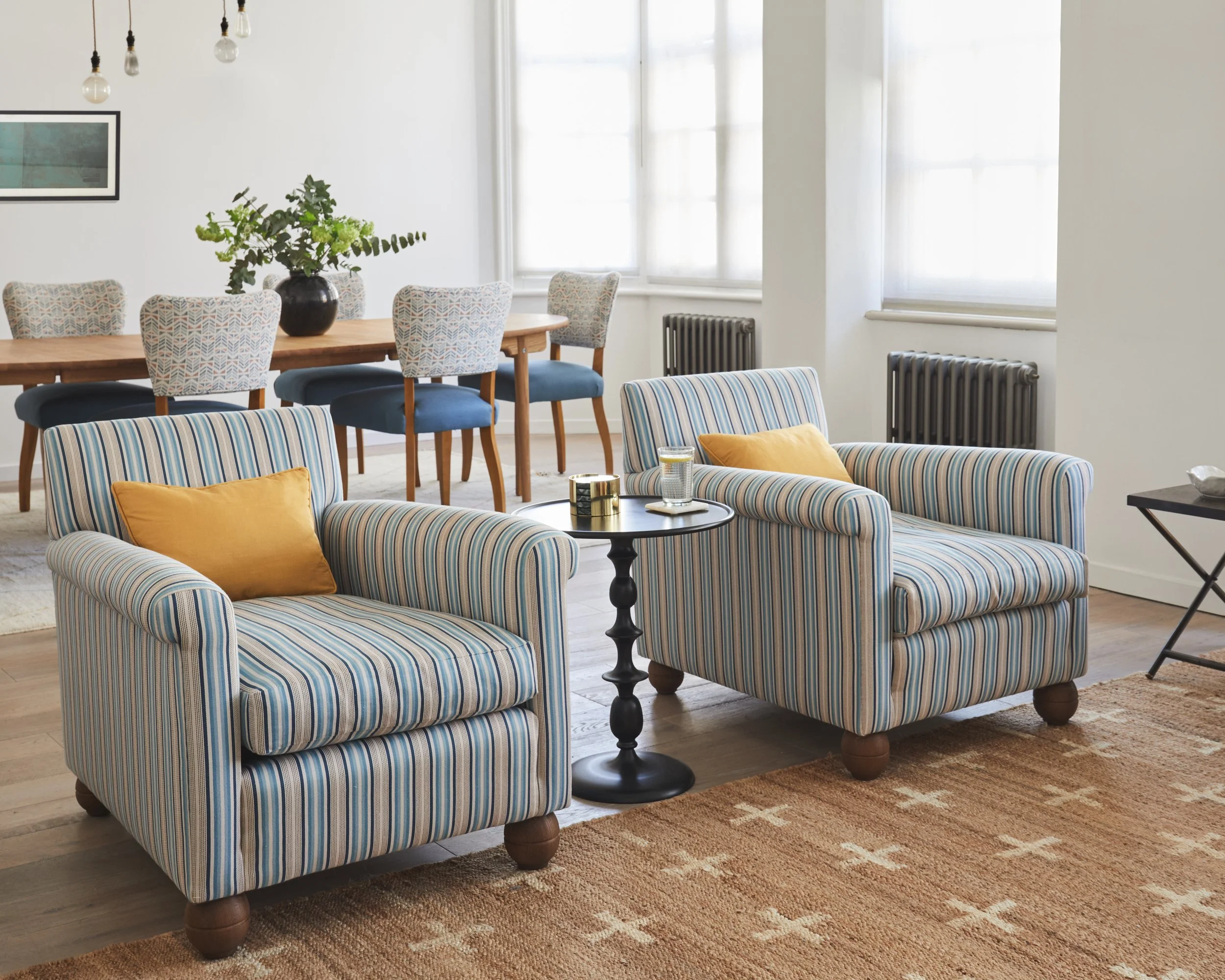
THE DREAM ROOM: the end result is fresh, friendly and inviting. The upholstery choices are set off brilliantly against the white painted backdrop and simple window blinds and no one had to lift a paint brush.
The brief was the same for the bedrooms too which you can peep at here.
Creating a mood board is an essential part of the interior design process. It helps us see the balance of colour and texture. On top of this we also consider the shapes and styles of furniture and lighting to ensure the ‘design language’ is consistent.
I like to think of it as alchemy.