
Perfecting Sitting Room Design
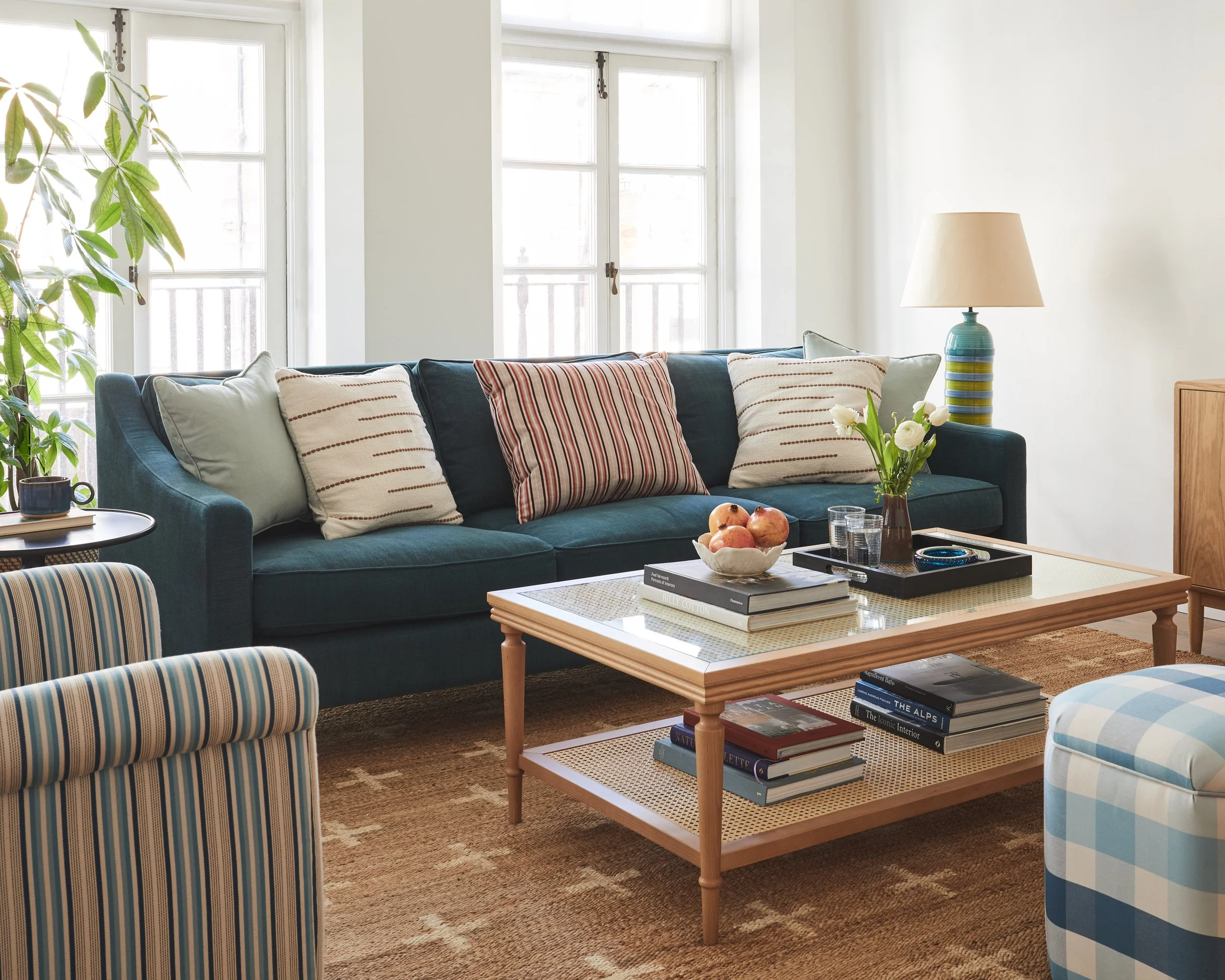
A fresh scheme with pattern play and plenty of variety of texture and finishes.
Spring is in the air (I think!) It feels like we are starting to emerge from hibernation. Often thoughts turn to Spring cleaning and sometime even a room redesign. Are you thinking about a redesign of your sitting room, family or even TV room?
Here are a few useful pointers, wisdom if you like, that will stand you in good stead and help you avoid making expensive mistakes. All the images are recent work, where we have been able to help our clients realise solutions that work for them.
Start with the layout NOT the colour scheme - pen & paper not paint charts. Get the circulation and the furniture plan right first and the rest will follow.
Play with shapes - look at your plan and if it's all squares and hard edges, add a curve e.g. a round table, circular rug or elliptical mirror.
Think about who will be using the room and when - will it be a multi-use room? It can be helpful to think of zones – a seating zone, a working zone, a dining zone etc.
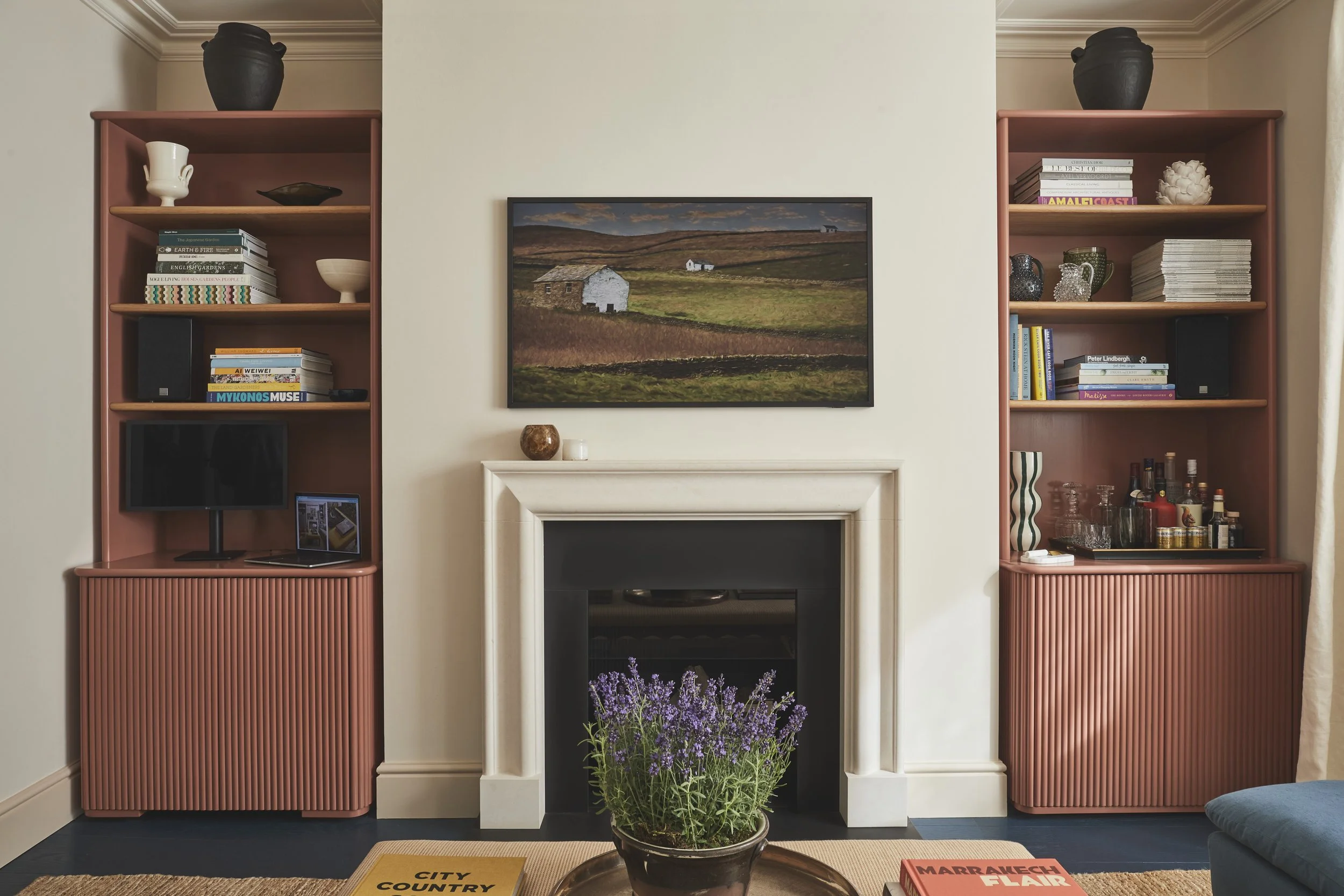
Sun-dappled sitting room with symmetry and a strong focal point.
Think about focal points as you start to arrange your furniture in the room. This might be the fireplace, if you are lucky enough to have one, or a window. Think about the sight lines - what will you be looking at from the sofa? Bear in mind that a symmetrical layout is easier to do successfully and naturally pleasing. Asymmetric layouts are harder to pull off.
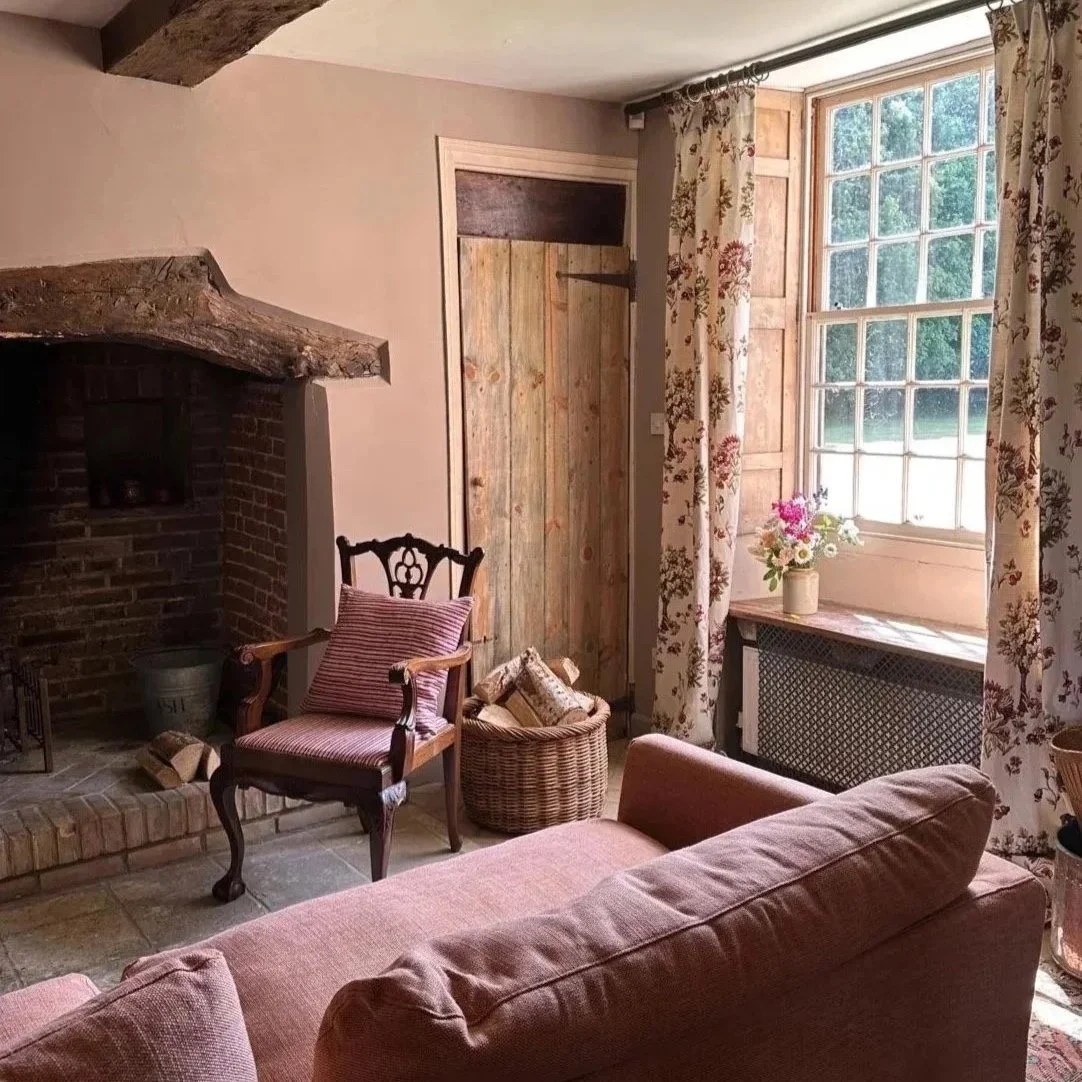
Family room in a beautiful country house where everyone can sit in comfort.
Assess the light – north and east facing rooms need to be treated differently from west or south facing rooms when it comes to colour choices. Never pick a paint colour from a chip on a paint card. Always buy a sample pot, paint up large samples on lining paper and stick them up in your room. Check the colour at different times of the day and in dark corners too. How the light falls really affects how a colour looks. If in doubt, with paint colours, go one deeper/darker – you won’t regret it. Being timid can end up being boring.
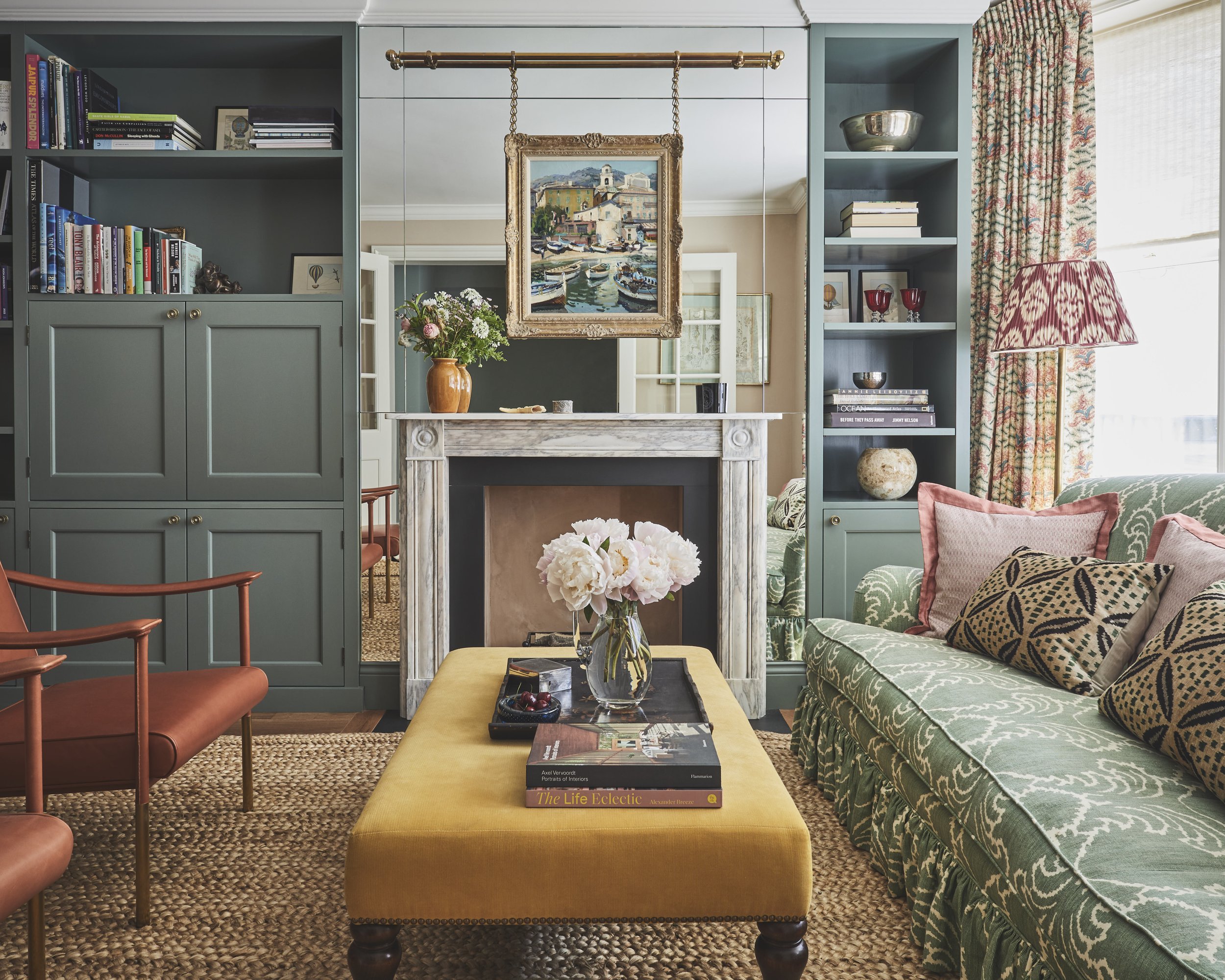
A formal sitting room in Kensington which is elegant, welcoming and comfortable.
Consider the vibe – is it a family room that is more casual? Then you can look at suitable furniture, an L-shape sofa for example. Or is it a formal room for grown-up entertaining? Then a symmetrical layout might work better and with a more tailored-style of furniture. If you may need to host large numbers, think about how you can add furniture that will double as tables and seats e.g. upholstered ottomans, benches.
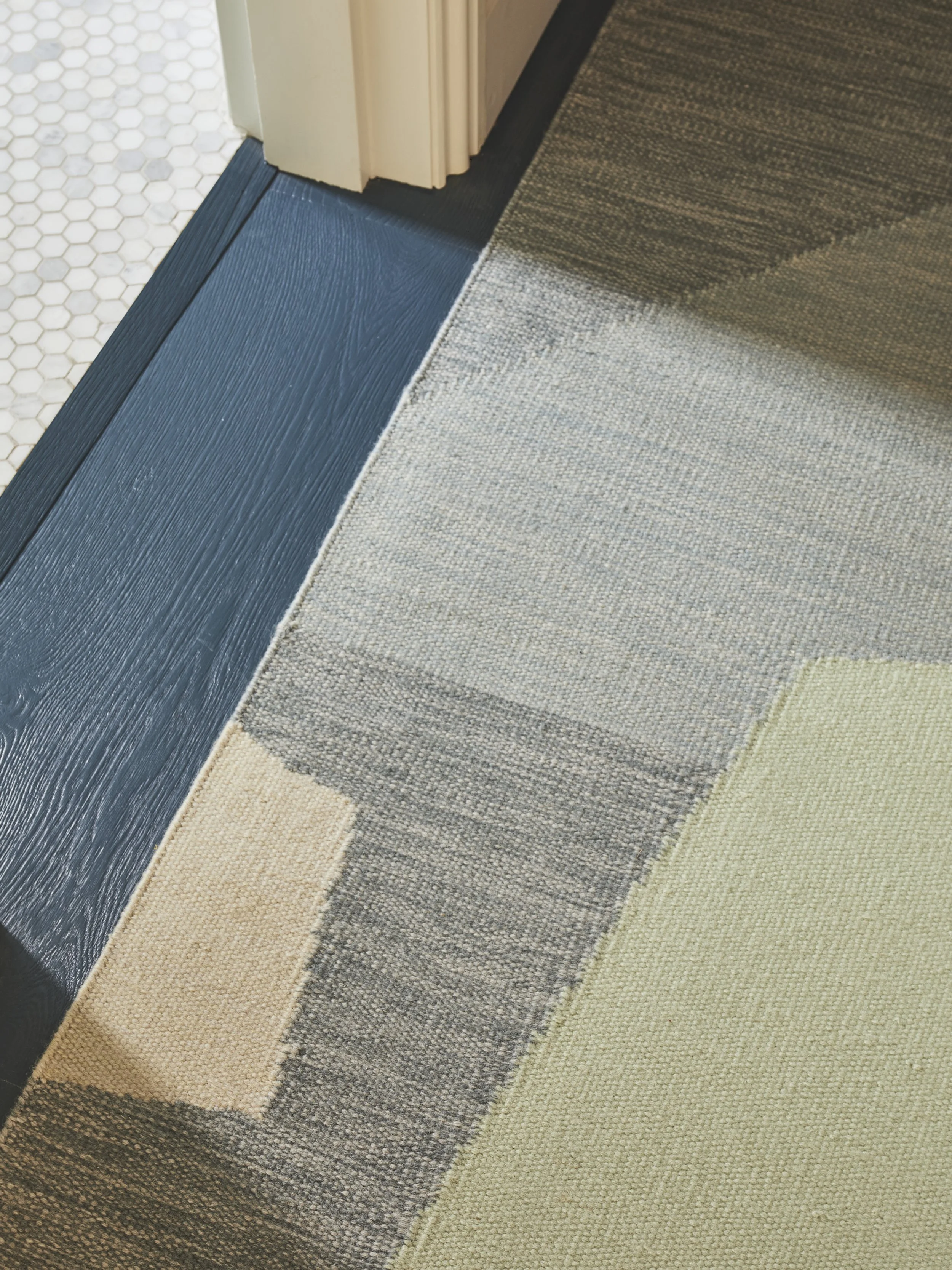
Uninteresting grey timber floor was painted in F&B's Hague Blue throughout, grounding the schemes in a colourful property in South West London.
Don’t forget the ceiling and the floor - these surfaces will to be key parts of your scheme so need to be considered when thinking about the balance of colours. Ceilings don’t have to be ‘white.’ If you want to blur the lines, use the same colour on walls and ceiling. This can be a good trick if you have no nice architectural features like a decorative cornice. If you have wooden flooring that is not very lovely, and budgets are tight, paint can be transformative and inexpensive. Be brave and try darker colours rather than assuming ‘white’ is a good choice. Deep blue, green or even rusty brown will earth the spaces. Try to have one colour throughout the house though.
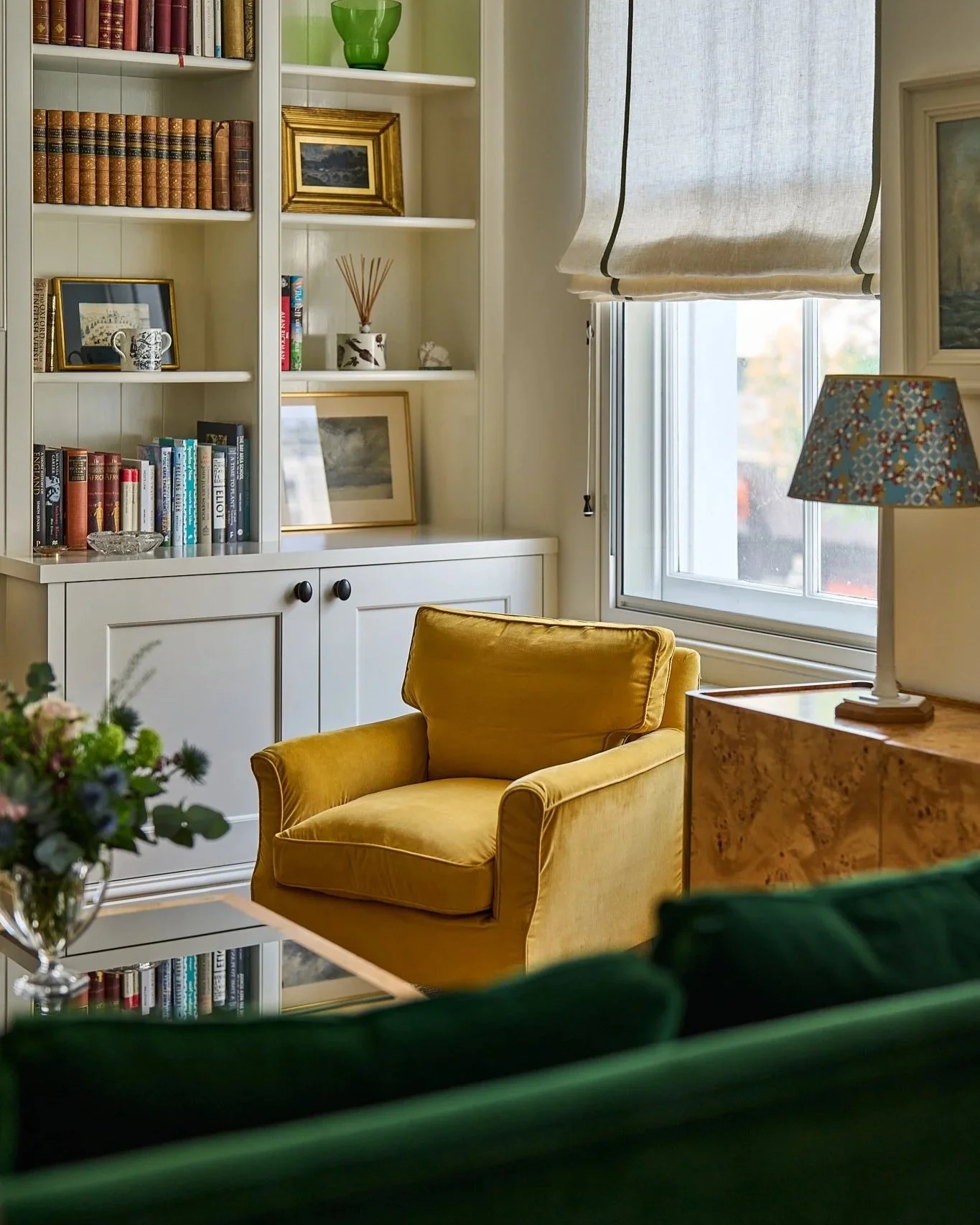
A mid-century timber and glass coffee table and burr cabinet sit happily in this traditional setting.
Mix different materials and textures - if you aren’t confident with mixing colours, then mix materials. A room that features only upholstered furniture in cream, may end up being a little boring. Can you add timber, glass, metal and can the fabrics include wool, linen, and velvet, even if your palette is restrained? Antiques and vintage are always a good idea to create a more relaxed, layered look, not everything should be pin-new. Mixing up eras is a confident way to decorate.
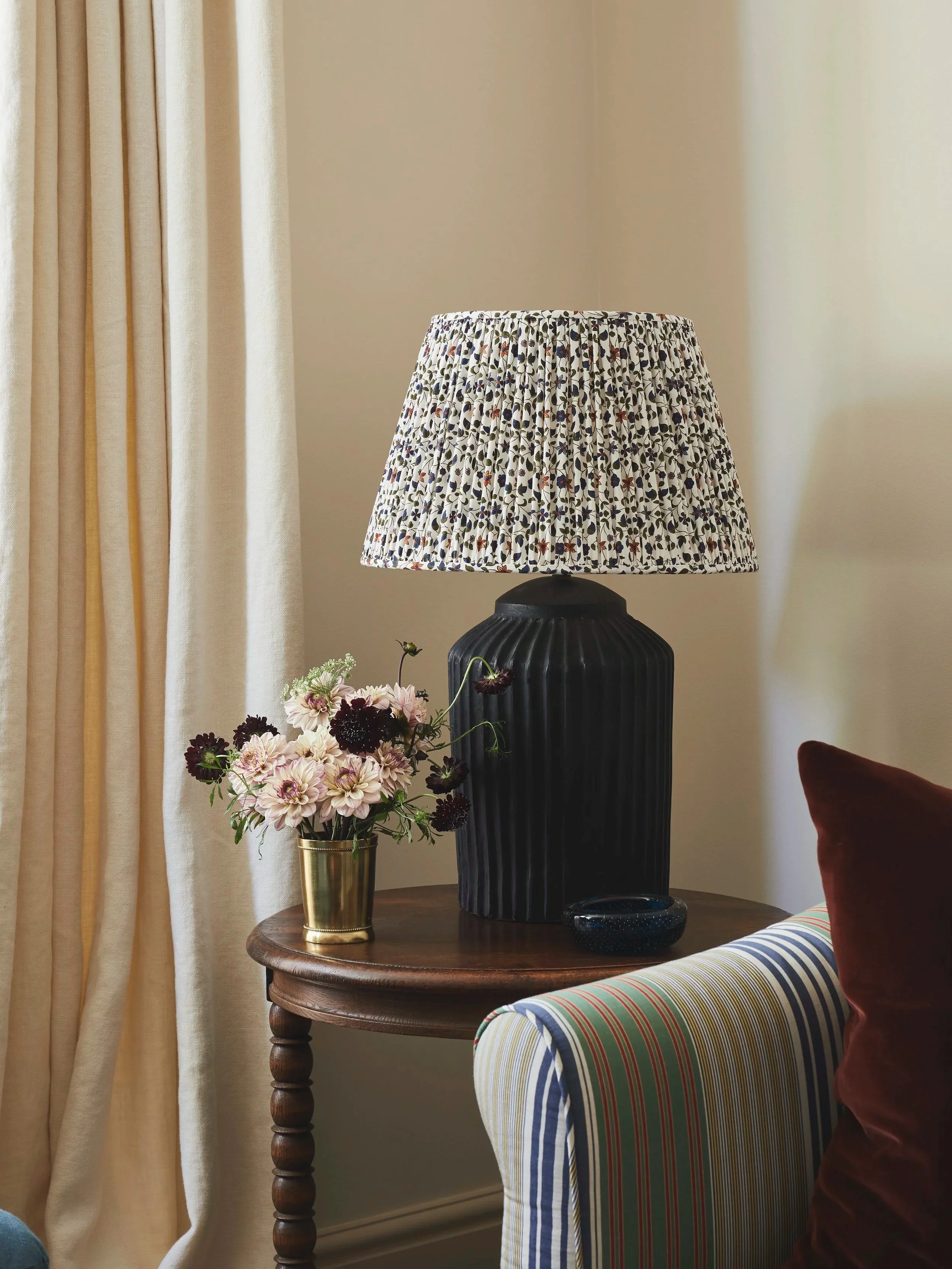
A reclaimed lamp found in a skip base marries with a handmade, gathered shade.
Add more personality to a room - mix in some vintage lights with new. Avoid overhead lights, especially ceiling spots, in favour of table and floor lamps on a 5amp circuit.
Finally, know when to stop - just because you can doesn't mean you should. Less can indeed be more.